
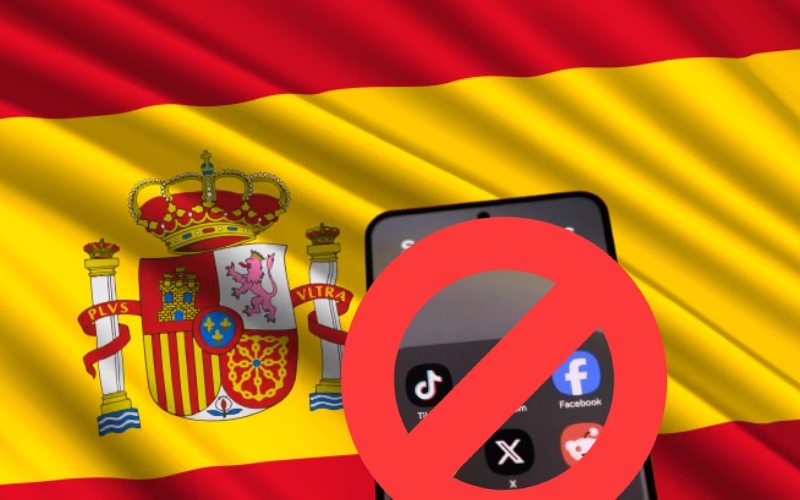
Prime Minister Pedro Sánchez just threw a hand grenade into the global tech debate. Speaking at the World Government Summit in Dubai on February 3, 2026, he didn’t just call for safety—he branded social media platforms as “failed states” where the law simply doesn’t exist. He announced that Spain is moving to officially ban anyone under 16 from using these networks. This isn’t some vague future goal; the law is expected to hit the Spanish parliament as early as next week. Sánchez is framing this as a survival issue, arguing that we’ve let our children wander alone through a “digital wild west” filled with addiction, explicit content, and mental health traps.
The most aggressive part of this plan isn’t the ban itself, but how Spain plans to enforce it. For years, “age verification” has been nothing more than a joke that kids bypass in seconds. Sánchez made it crystal clear that “checkboxes” are over. He’s demanding “real barriers that work,” which likely means mandatory ID or biometric checks that social media companies must implement. This has already sparked a massive backlash from tech giants like Meta and X, who argue that such measures would destroy user privacy. But the Spanish government seems unfazed, essentially telling Silicon Valley that if they want to operate in Spain, they have to take actual responsibility for their audience.
Spain is also going after the people at the top. The proposed bill will hold social media executives personally and even criminally liable for failing to scrub hate speech or illegal content. They are even moving to criminalize “algorithmic manipulation,” which is a direct hit on the very business model of apps like TikTok and Instagram. Sánchez pointed to the spread of AI-generated misinformation as a primary reason for this urgency, even citing specific instances in which platform tools were allegedly used to create harmful deepfakes. It’s a bold move that positions Spain at the front of a “Coalition of the Digitally Willing” alongside countries like France and Greece.
Of course, the fallout has been instant. Elon Musk has already taken to X to call Sánchez a “totalitarian,” and local opposition groups are worried about government overreach. But with over 80 percent of the Spanish public reportedly in favor of these restrictions, the government feels it has the mandate to act. The goal is to reclaim digital sovereignty and stop letting algorithms decide the mental health of an entire generation. Whether a single country can actually police the borderless internet remains to be seen, but Spain is clearly finished with asking nicely.
